
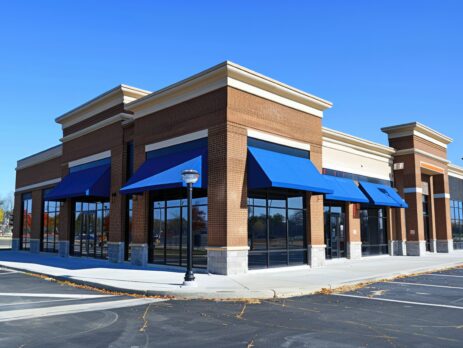
A commercial lease is one of the most important contracts a business owner or landlord will sign. It controls how the property can be used, who pays for different expenses, what happens if rent is late, and what rights each side has if the business grows, changes, or needs to leave the space.
In Arizona, commercial leases also involve issues that may not appear in a basic form lease. A lease may need to address transaction privilege tax, maintenance responsibilities, common area charges, signage, zoning, improvements, insurance, default rights, and renewal terms. These details matter because a commercial lease is usually negotiated between business parties and may not give tenants the same protections that apply in a residential lease.
Before signing a lease for office space, retail space, restaurant space, warehouse space, or another commercial property, both the landlord and tenant should understand what the agreement says and what it leaves out.
Identify the Parties and the Exact Premises
A commercial lease should clearly identify the landlord and tenant. If the tenant is a business entity, the lease should use the correct legal name of the LLC, corporation, partnership, or other entity. This is important because the tenant’s legal identity affects liability, payment obligations, tax reporting, and enforcement if a dispute arises.
The lease should also describe the leased premises with enough detail that there is no confusion about what space is included. This may include:
- The street address
- Suite number
- Approximate square footage
- Storage areas
- Parking spaces
- Restrooms
- Patios or outdoor areas
- Shared hallways, lobbies, or common areas
Commercial tenants often pay rent based on square footage. If the lease is unclear about what space is included, the tenant may end up paying for areas it cannot fully use. A precise description can help prevent later disputes over common areas, access, storage, and parking.
State the Permitted Use of the Property
The lease should explain exactly how the tenant is allowed to use the property. A permitted-use clause might say the space can be used for a retail store, medical office, restaurant, warehouse, professional office, salon, or other specific business purpose.
This section should be reviewed carefully. If the permitted use is too narrow, the tenant may not be able to expand services, change its business model, or add related revenue streams without the landlord’s permission. If the permitted use is too broad, the landlord may have less control over activities that affect the building, neighboring tenants, parking demand, noise, utilities, or insurance.
Arizona business owners should also consider zoning, licensing, signage rules, fire-code compliance, health department requirements, and any restrictions from a shopping center, office park, or property owners’ association. A landlord’s permission in the lease does not automatically mean the tenant’s intended use is allowed by local law.
Include the Lease Term, Renewal Rights, and Holdover Rules
A commercial lease should state when the lease begins and ends. It should also explain whether the tenant has an option to renew and how that option must be exercised.
Renewal language should be specific. The lease should state:
- How much advance notice is required
- Whether notice must be in writing
- Where notice must be sent
- Whether rent is already set for the renewal term
- Whether rent will increase by a formula, market rate, or negotiation
- What happens if the tenant misses the renewal deadline
The lease should also include a holdover provision. A holdover occurs when a tenant remains in the space after the lease expires. The lease should explain whether the tenant becomes month-to-month, whether rent increases during the holdover period, and whether the landlord can require the tenant to leave immediately.
Define Rent, Increases, and Additional Charges
Rent should be more than a monthly number. A commercial lease should explain the full payment structure, including:
- Base rent
- Due date
- Grace period, if any
- Late fees
- Returned-payment fees
- Rent increases
- Percentage rent, if applicable
- Common area maintenance charges
- Property tax pass-throughs
- Insurance reimbursements
- Utility charges
- Administrative fees
Many commercial leases are not simple gross leases. In a triple-net or modified gross lease, the tenant may pay base rent plus additional amounts for taxes, insurance, maintenance, repairs, utilities, or common area expenses. These costs can significantly change the real price of the lease.
A tenant should understand whether additional charges are estimated, reconciled annually, capped, audited, or subject to management fees. A landlord should make sure the lease gives a clear method for calculating and collecting these charges.
Address Arizona Transaction Privilege Tax
Arizona commercial leases can involve transaction privilege tax, often called TPT. Under Arizona law, leasing real property for commercial purposes may fall within the commercial lease classification. [A.R.S. § 42-5069] The Arizona Department of Revenue also identifies several types of income that may be treated as taxable in a commercial lease context, including rent, property tax reimbursements, insurance reimbursements, common area maintenance payments, and certain payments for improvements. [AZDOR Commercial Lease]
Because TPT can apply at the county or city level, an Arizona commercial lease should state how taxes will be handled. The lease should explain whether the tenant must reimburse the landlord for applicable TPT, whether tax is included in rent, and how tax increases or reporting changes will be addressed.
This is especially important in Pima County and Tucson-area leases, where county and city tax treatment may affect the total monthly cost of the lease.
Explain Security Deposits and Personal Guarantees
The lease should state the amount of the security deposit, when it is due, whether it may be applied to unpaid rent or damage, and when it will be returned. It should also explain what deductions the landlord may make at the end of the lease.
Commercial landlords may also request a personal guarantee, especially when the tenant is a newer business or a limited liability entity. A personal guarantee means an individual may be personally responsible for the tenant’s lease obligations if the business does not pay.
Tenants should review guarantee language carefully. A guarantee may cover unpaid rent, damages, attorney fees, future rent after default, or obligations that continue after the tenant leaves. Some guarantees can be negotiated, limited by time, limited by amount, or reduced after the tenant has a strong payment history.
Clarify Maintenance, Repairs, and Building Systems
Maintenance and repair clauses are among the most important parts of a commercial lease. The lease should state who is responsible for the interior of the premises, exterior walls, roof, foundation, plumbing, electrical systems, HVAC, parking lot, landscaping, sidewalks, signs, windows, doors, and common areas.
The lease should also explain timing. For example, if the air conditioning fails in July, who must call the repair company? Who pays? How quickly must repairs be made? Can the tenant make emergency repairs and deduct the cost? Is the tenant required to use approved vendors?
A vague repair clause can create expensive disputes. Landlords and tenants should avoid general language that leaves major systems undefined. The lease should clearly state what each side must maintain and what happens if repairs are delayed.
Cover Improvements, Alterations, and Fixtures
Many businesses need to modify a space before opening. A restaurant may need plumbing and ventilation changes. A medical office may need exam rooms. A retail store may need display areas, lighting, signage, and customer counters.
The lease should address:
- Whether improvements require landlord approval
- Who pays for improvements
- Whether the landlord gives a tenant improvement allowance
- Who owns improvements after installation
- Whether permits are required
- Whether licensed contractors must be used
- Whether the tenant must restore the space when the lease ends
- What happens to fixtures, trade fixtures, and equipment
This section is particularly important when the tenant is investing significant money into the property. The tenant should know whether it can remove its equipment at the end of the lease and whether it must undo alterations before leaving.
Include Insurance and Indemnity Requirements
A commercial lease should state what insurance each party must carry. The tenant may be required to maintain general liability insurance, property insurance, business interruption coverage, workers’ compensation coverage, and other policies depending on the type of business.
The landlord may also require to be named as an additional insured on certain policies. The lease should state the required coverage amounts, when proof of insurance must be provided, and what happens if insurance lapses.
Indemnity provisions should also be reviewed carefully. These clauses determine who is responsible if a claim, injury, property damage, environmental issue, or lawsuit arises from the tenant’s use of the property. A broadly written indemnity clause can shift major financial risk from one party to the other.
Address Utilities, Services, Parking, and Signage
The lease should state who pays for electricity, water, sewer, gas, trash, internet, janitorial services, security, pest control, and other services. It should also explain whether utilities are separately metered or allocated among multiple tenants.
Parking and signage should also be addressed directly. A tenant may assume customers will have access to parking or that the business can install a sign, but those rights should be written into the lease. The lease should specify the number of parking spaces, whether they are reserved or shared, where signs may be placed, who pays for signs, and whether city or landlord approval is required.
For retail businesses, restaurants, and service businesses, parking and signage can be as important as rent. If customers cannot find or access the business, the location may not work.
Explain Assignment and Subleasing Rights
A tenant’s needs can change during the lease term. The business may grow, shrink, merge, sell assets, relocate, or close. The lease should state whether the tenant may assign the lease or sublease the space to another business.
Landlords usually want approval rights over any new occupant. Tenants usually want flexibility if the space no longer fits their business. A balanced clause may require landlord consent but state that consent cannot be unreasonably withheld.
The lease should also address whether the original tenant remains liable after an assignment or sublease. This is a major issue. A tenant may believe it is released once another business takes over, but the lease may say the original tenant remains responsible if the replacement tenant defaults.
Include Default, Notice, Cure Periods, and Remedies
The lease should explain what counts as a default and what happens next. Common defaults include failure to pay rent, failure to maintain insurance, unauthorized use of the property, abandonment, failure to maintain the premises, or violation of other lease terms.
The lease should state whether the defaulting party gets notice and an opportunity to cure. It should also state how notice must be delivered and how much time the party has to fix the problem.
Remedy provisions may address late fees, interest, lockout rights if applicable, eviction, acceleration of rent, recovery of attorney fees, collection costs, and damages. Both sides should understand these terms before signing. Default language often becomes the most important part of the lease when the business relationship breaks down.
Consider Casualty, Condemnation, and Business Interruption
A commercial lease should explain what happens if the property is damaged by fire, flood, storm, or another casualty. The lease should state who decides whether to repair, how long repairs may take, whether rent is reduced during repairs, and whether either party can terminate the lease if the property cannot be used.
The lease should also address condemnation. Condemnation occurs when a government takes part or all of a property for public use, such as road expansion or infrastructure work. If condemnation affects access, parking, visibility, or the leased premises, the lease should explain each party’s rights.
Tenants should also consider whether they need business interruption insurance. Even a temporary closure can create serious losses if the lease still requires rent.
Review Attorney Fees, Dispute Resolution, and Governing Law
A commercial lease should state whether the prevailing party in a dispute can recover attorney fees and costs. It should also state whether disputes must go through mediation, arbitration, court, or another process.
The lease should identify Arizona law as the governing law when the property is located in Arizona. It may also specify the county where lawsuits must be filed. For Tucson commercial leases, venue language may be important because landlords and tenants usually want disputes handled locally.
Why a Lease Review Matters Before You Sign
A commercial lease can affect a business for years. A short or generic form may not address Arizona taxes, local zoning, tenant improvements, repair duties, personal guarantees, common area charges, or the tenant’s ability to assign the lease if the business changes.
Landlords need leases that protect the property, define tenant obligations, and reduce the risk of disputes. Tenants need leases that accurately reflect the deal, disclose the true cost of occupancy, and avoid unexpected liability.
At St. Clair Law, P.C., we assist Tucson-area landlords and commercial tenants with lease drafting, review, and negotiation. Before signing an Arizona commercial lease, it is wise to have an attorney review the agreement, explain the terms in plain language, and help you identify issues that could become expensive later.
Speak With a Tucson Commercial Lease Attorney
If you are preparing to lease commercial property, renew a lease, negotiate a tenant improvement allowance, or resolve a lease dispute, St. Clair Law, P.C. can help you understand your options. Contact our Tucson office to schedule a consultation about your Arizona commercial lease.
